Improving ROI With Programmatic SEO
In programmatic SEO, a well-structured template lets you produce lots of landing pages effectively without developing every one from scratch. This design template functions as the structure for all the pages you'll develop utilizing your keyword mixes and information. Let's consider Tripadvisor as an example. They utilize a constant layout to develop private pages for restaurants.
They also release more comprehensive list pages like "Finest restaurants in ((city))", where the city name is a vibrant modifier. These pages put together pertinent restaurants for that place, utilizing the same underlying structure with different content based upon the place data. Start by choosing Believe about: What the user expects to find What information you already have What search intent you're targeting For instance, if you're developing location-based service pages, your structure can include: Page title (with city or area) Short description Service offerings Reviews or reviews Contact information A call-to-action (CTA) Each of these aspects will end up being in your design template.
The design template must be: Easy to scan (usage headers, bullet points) Mobile-friendly and responsive Fast-loading Clear on CTAs (buttons, links, or types) You can sketch the wireframe or use style tools like before implementing it in your site home builder or CMS. Insert dynamic fields where information will be inserted. These are usually called tokens or variables depending on your CMS or import tool.
When your design template is all set, you're set to begin generating your programmatic landing pages. When your landing page template is ready, you'll require a place to store and handle the information that will populate each page, such as titles, descriptions, keywords, areas, or product information. You can begin with something simple, such as an, where each row represents one page and each column holds a different data point (e.g., city name, service, or CTA text).
Top AI Copy Tools InsightsThese platforms allow you to arrange information in table format and make it easier to connect with automation tools later on in the procedure. Choose the tool that best fits your workflow, but ensure it's simple to update and structured consistently for seamless combination into your programmatic SEO setup. With your template and data prepared, the final action is to publish your content on your site.
How Predictive Analysis Transforms Search Performance
If you're utilizing, tools like permit you to connect your spreadsheet straight to your website. Describe our devoted tutorial on setting up a WordPress plugin. As soon as the plugin is activated, navigate to from your WordPress dashboard and simply publish your spreadsheet. Next, tell the plugin what material goes where (e.g., utilize title in the title, score in the paragraph) and the plugin will develop one page per row.
As soon as established, these tools can instantly create and release a brand-new page every time a brand-new row is included to your data source. This enables the publishing process to be quicker, more constant, and scalable, eliminating the need for manual input. Pick the ideal automation tool based upon your CMS, and ensure everything is appropriately mapped before going live.
Typical usage cases include location-based landing pages, product page design templates, occasion directory sites, job listings, and catalog structures where each entry follows a similar format. It can, but it's most effective for sites with big, structured datasets. Smaller websites without scaleable content requirements might benefit more from targeted manual SEO. Programmatic SEO uses a powerful method to scale your content and target a broad range of search questions with minimal manual effort.
Comparing Traditional Vs Automated Content Strategies
For programmatic SEO to work, your pages need to deliver genuine worth to users. When done right, programmatic SEO can drive constant organic traffic, enhance search visibility, and support long-term growth.
If you like this post, let us understand by.
Maintaining a single website with several pages is difficult (but possible), but what about working with hundreds or even thousands of web pages? It might be practically impossible if not for programmatic SEO, a modern-day solution to having SEO-optimized landing pages exactly produced to cater to the user's search intent.
Why AI-Driven Analysis Redefines SEO Performance
Today, with the AI transformation and automation, programmatic SEO has actually ended up being a real pattern. If you need to know why it deserves buying programmatic SEO or what programmatic SEO is, keep reading. Pledge, it will not be too long. Conventional SEO consists of numerous procedures that enhance the exposure and ranking of a site or one websites in online search engine results pages.
Greater value instead of going after high-volume competitive keywords. With little to no competition for long-tail keywords, it is more than real to secure your place in search results right from the start.
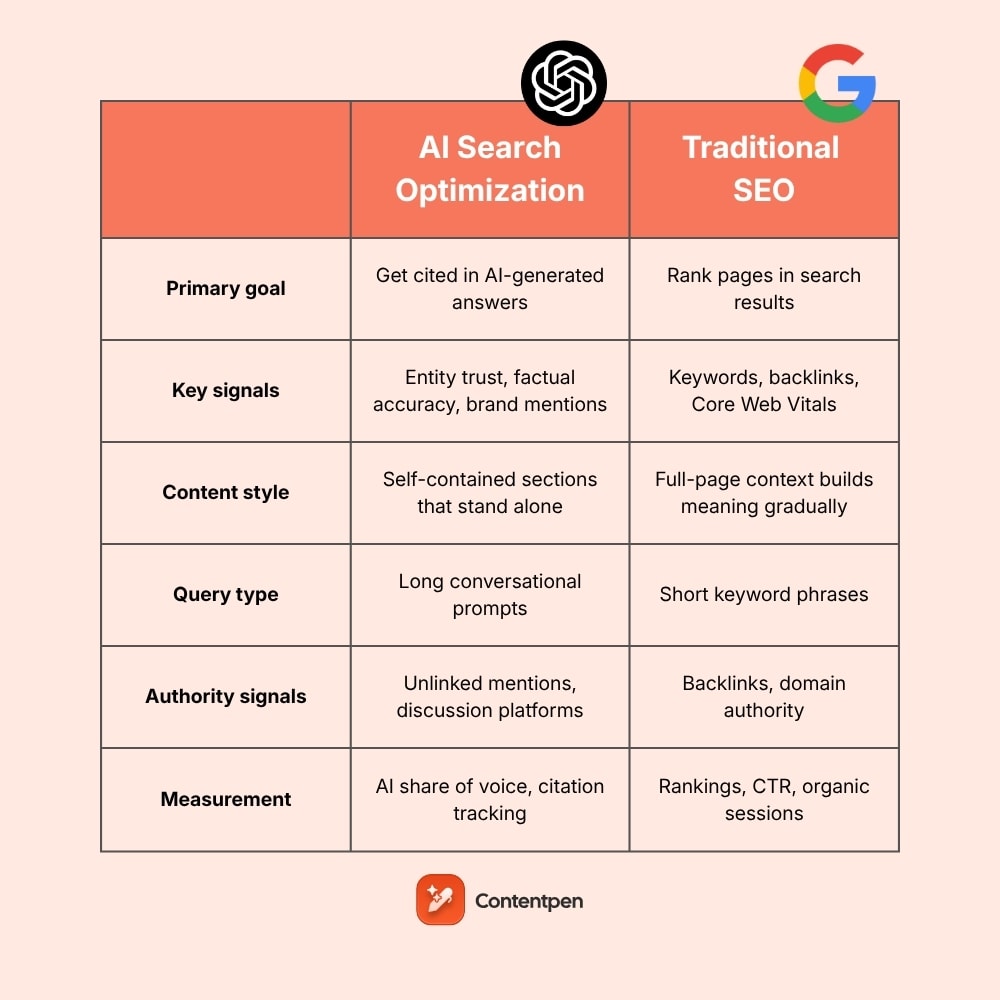
While programmatic SEO has all the elements of conventional SEO, it surpasses them and is more complicated (not in terms of application, though). Programmatic SEO resembles a great neighbor who always has salt or sugar to provide. Here are the statements for conventional and programmatic SEO. Traditional SEO is implemented on one website with multiple pages, whereas programmatic SEO produces several SEO-optimized pages.
Traditional SEO is restricted in keywords, whereas programmatic SEO is scalable and can have infinite keyword variations. You can't have a programmatic SEO task without understanding and doing SEO. For a successful programmatic SEO task, you'll want to integrate three key components: long-tail keywords, appropriate content, and SEO-optimized pages.
Evaluating Manual Vs Programmatic SEO Strategies
Long-tail keywords: Those are particular, often longer phrases that users input into search engines when they want their search engine result to be as precise as possible. When you target long-tail keywords, you're attending to the special needs of your audience. This indicates that competition is typically lower, making it simpler to rank well.
Relevant content: To capture the user's attention and provide valuable information, your material must matter and lined up with the user's query. SEO-optimized pages: SEO-optimized pages are the technical backbone of the programmatic SEO project. They consist of the structure, meta tags, headers, and other on-page components that online search engine utilize to assess your content.

Automation tools and software: In programmatic SEO, automation tools simplify various SEO tasks, such as keyword research study, content optimization, and link structure. Algorithms and data-driven insights: Programmatic SEO uses algorithms and data-driven insights to recognize and execute SEO techniques customized to particular organization goals and target market. Programmatic SEO is a tactical approach with clear steps and no guesswork.